What is SEO ?
“SEO stands for Search Engine Optimization. It is the process of optimizing your website according to the search guidelines of search engines like Google and Bing. By optimizing your site, you can drive organic traffic and convert that traffic into revenue. It covers all aspects of website optimization, from technical setup to keyword research.”
SEO is the single most valuable skill I have ever learned. Not Facebook ads. Not email marketing. Not influencer outreach. SEO. The reason is simple — when you rank for the right keywords, Google sends you free, highly-targeted traffic every single day, whether you are sleeping, on holiday, or working on your next project. That traffic converts, and those conversions pay commissions, month after month, year after year. Source
But here is the problem: most SEO advice online is either hopelessly outdated or deliberately vague. The so-called gurus who sell courses rarely share the actual framework they use. and very few courses and tutors will give you added value for your portfolio, So in this article, I am going to break down exactly how search engines work, the ranking strategy I use across my affiliate sites, and the keyword research methodology that has consistently helped me find money keywords that my competitors overlook. No fluff, no theory — just the methodology that works, explained by someone who actually uses it to earn a living.
How Search Engines Actually Work
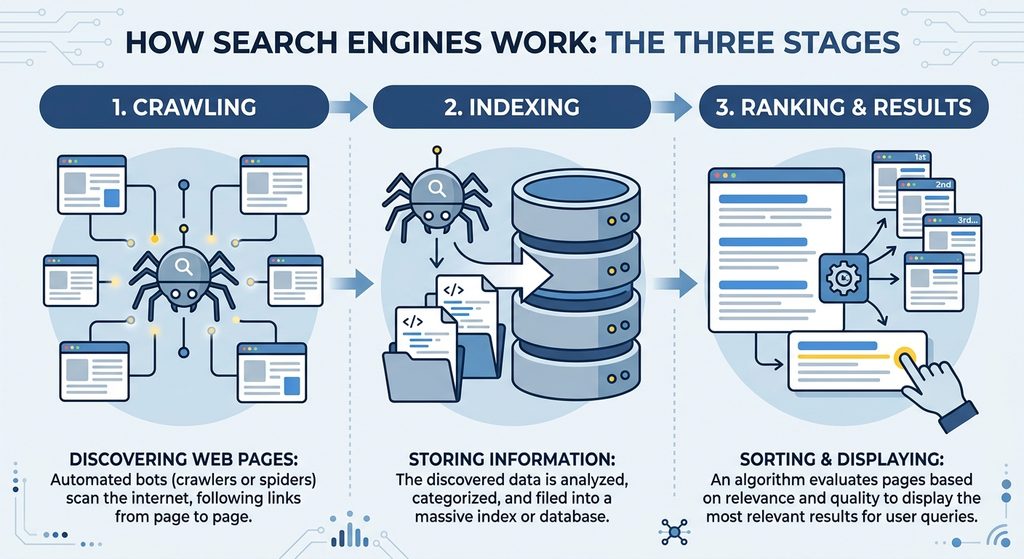
Most people think of Google as a website where you type questions and get answers. From an SEO perspective, Google is better understood as a massive database with three core functions: crawling, indexing, and ranking. Understanding these three phases is foundational because every SEO strategy you deploy is essentially an attempt to influence one of these stages. but there are some factors included which are 1) Crawling 2)Indexing 3) Ranking
Crawling
Google uses automated programmes called crawlers or spiders (the most famous being Googlebot) that continuously scour the internet, following links from one page to another. When Googlebot discovers a new page, it reads the HTML code, follows internal and external links, and adds the page to its processing queue. If your site has no inbound links from other sites and a poor internal linking structure, Googlebot may never find your pages. This is why link building and site architecture matter from day one.
Indexing
Once Googlebot crawls a page, it analyses the content and stores it in Google’s index — essentially a colossal database of all the web pages it has deemed worthy of storing. Not every crawled page gets indexed. Google evaluates content quality, relevance, and uniqueness before deciding whether to add a page to its index. If your page is thin, duplicate, or low-value, it may be crawled but never indexed, which means it will never appear in search results regardless of how well you optimise it.
Ranking
When a user types a query, Google searches its index and ranks the results using over 200 ranking factors. These include content relevance, backlink authority, page speed, mobile-friendliness, user experience signals, and dozens of other criteria. The exact algorithm is a closely guarded secret, but through years of testing and observation, the SEO community has identified the factors that consistently correlate with higher rankings.
How to Rank: The SEO Framework That Actually Works
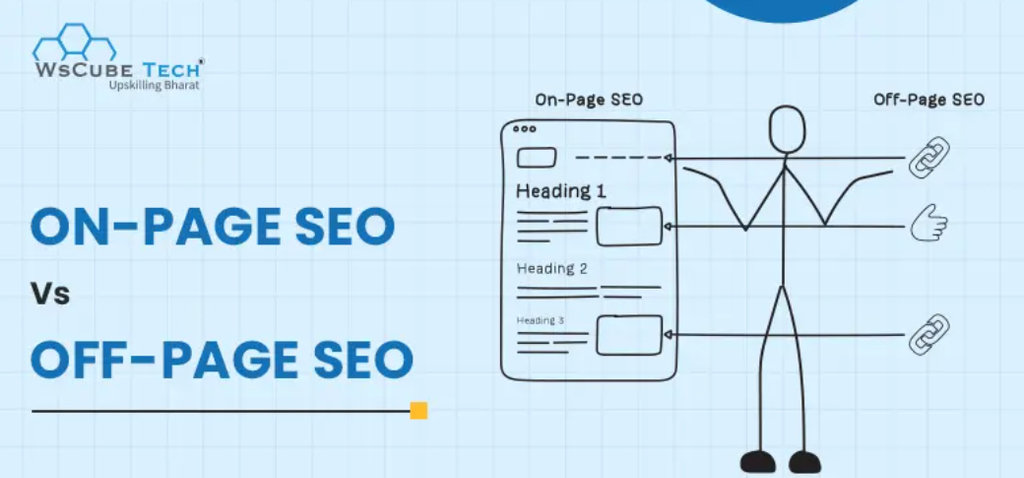
On-Page SEO: Optimising Your Content : On-page SEO refers to everything you do directly on the page to signal relevance to search engines. This includes your title tag, meta description, header tags (H1, H2, H3), keyword placement, internal linking, image optimisation, and content depth. The single biggest on-page mistake I see beginners make is keyword stuffing and Title tags remain one of the most influential on-page factors.
Off-Page SEO: Building Authority Through Links : Off-page SEO is primarily about backlinks — links from other websites pointing to your pages. Backlinks function as votes of confidence in Google’s algorithm. A page with high-quality, relevant backlinks will outrank a page with no backlinks almost every time, assuming all other factors are equal. However, not all links are created equal. A single link from a high-authority site like the BBC or a respected industry publication can be worth more than hundreds of links from low-quality directories or spammy blogs.
Technical SEO: Making Your Site Search-Friendly : Technical SEO covers the infrastructure of your site: site speed, mobile responsiveness, secure HTTPS protocol, structured data markup (schema), canonical tags, and crawl efficiency. For WordPress users, technical SEO is significantly easier than it used to be. Plugins like Rank Math or Yoast SEO handle most of the basics, but you should still monitor core web vitals, ensure your hosting is fast enough, and regularly audit your site for broken links and crawl errors.
Keyword Research that actually matters and how it affcets your overall traffic and growth.
- Search Intent : Before you even open a keyword tool, you need to understand the different types of search intent. Informational intent means the user wants to learn something (e.g., “what is keyword research”). Navigational intent means the user is looking for a specific site or brand (e.g., “Ahrefs login”). Commercial intent means the user is researching before buying (e.g., “best SEO tools for beginners”). Transactional intent means the user is ready to buy (e.g., “buy Ahrefs subscription”).
2) Keyword difficulty : Most keyword tools provide a keyword difficulty (KD) score, but these scores can be misleading. A keyword with a low KD score might still be impossible to rank for if the competing pages are from massive authority sites like Wikipedia or government domains. Conversely, a keyword with a moderate KD score might be very achievable if the top-ranking pages are thin, poorly optimised, or from relatively new sites. My go-to approach for finding untapped keywords is to look at what your competitors are ranking for that you are not. Tools like Ahrefs, Semrush, and Ubersuggest all have competitive gap analysis features that show you keywords your competitors rank for where you have no presence. I sort these by estimated traffic and commercial intent, then prioritise keywords where the competing pages have relatively low domain authority
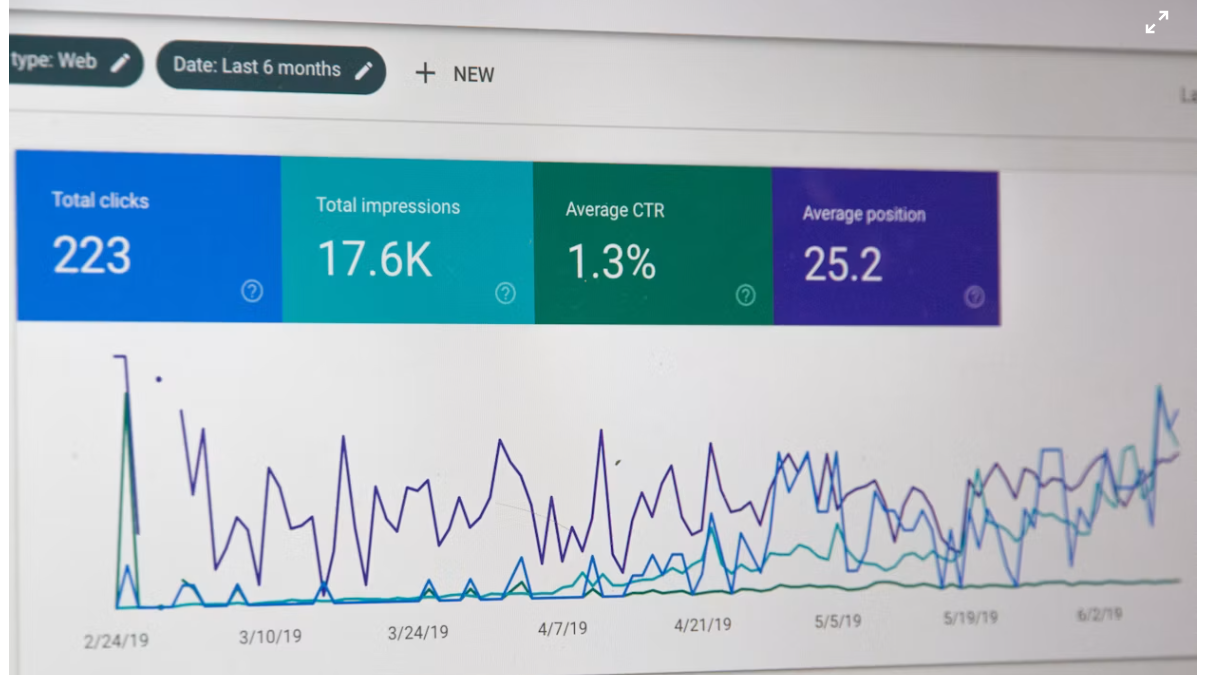
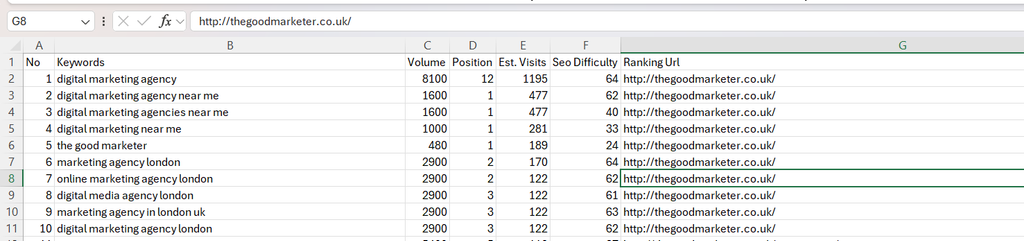
3) Tools I Actually Use (And Why) : I want to be transparent here. Ahrefs is my primary tool because its database is enormous, their keyword difficulty metric is the most reliable I have tested, and their content gap feature consistently surfaces opportunities that other tools miss. Semrush is excellent for competitive analysis and PPC keyword research. Ubersuggest is the best budget option for beginners — and Google Keyword Planner ,it is affordable, intuitive, and provides enough data to get started. you can see the below report that i created in my Full seo audit report. here
Frequently Asked Questions
Q: What is the most important ranking factor in Google?A: While Google uses over 200 ranking factors, the most consistently important factors are content quality and relevance (does your page thoroughly answer the user’s query?), backlink authority (how many high-quality sites link to your page?), and search intent alignment (does your page match what the user is actually looking for?). Technical factors like page speed and mobile-friendliness serve as baseline requirements rather than differentiators — you must meet them to compete, but exceeding them will not compensate for poor content or weak authority.
Q: What is the difference between on-page and off-page SEO?A: On-page SEO refers to optimisations you make directly on your web pages, including title tags, meta descriptions, header tags, keyword placement, internal linking, content quality, and image optimisation. Off-page SEO refers to activities that happen outside your website, primarily building backlinks from other sites, but also including brand mentions, social signals, and online reputation management. Both are essential for ranking, but on-page SEO is within your direct control while off-page SEO depends on how others perceive and reference your content.
Q: Is keyword research still relevant in 2025?A: Absolutely. While Google’s algorithm has become much more sophisticated at understanding natural language and context, keyword research remains the foundation of any effective SEO strategy. What has changed is the approach: rather than targeting exact-match keywords, modern keyword research focuses on understanding search intent, identifying topic clusters, and finding content gaps where existing results do not adequately satisfy user needs. The tools have evolved, but the principle remains the same — you need to know what people are searching for to create content that ranks.
Q: Can I do SEO without paid tools?A: You can get started with free tools like Google Keyword Planner, Google Search Console, Google Analytics, and Ubersuggest’s free tier. These provide enough data for basic keyword research and performance tracking. However, as your site grows and competition increases, paid tools like Ahrefs or Semrush become essential for competitive analysis, content gap identification, and backlink monitoring. Think of free tools as sufficient for learning the ropes, but paid tools as necessary for serious affiliate marketing at scale.
Next step: Learn what backlinks are and how to build quality links safely.
Leave a Reply