
What Is AMR?
AMR stands for antimicrobial resistance. It occurs when microorganisms change in ways that let them survive medicines that would normally control or kill them. The person does not become resistant to the medicine; the microorganism does. A urinary tract infection, chest infection or infected wound may sound routine. Usually, healthcare professionals have medicines they can use when treatment is needed. But what happens when the microorganism causing that infection no longer responds properly to the medicine designed to stop it?
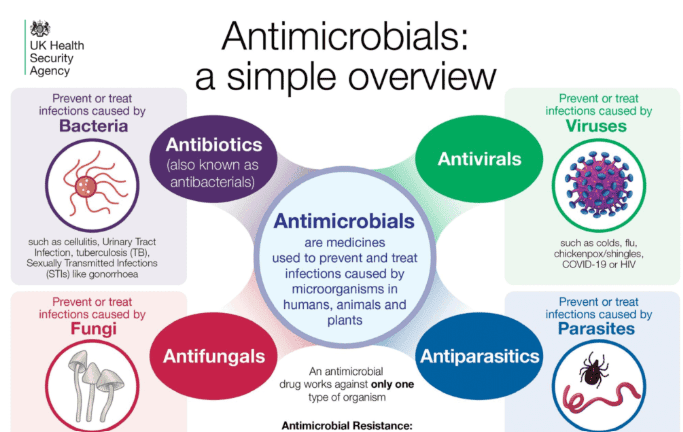
That is where antimicrobial resistance, or AMR, becomes important. If you have searched “what is AMR?”, the simplest answer is this: AMR happens when microorganisms such as bacteria, viruses, fungi or parasites survive or resist medicines that would normally kill them or stop them multiplying. The result is not that your body has become resistant to treatment. The microorganism has. That distinction matters. AMR can make infections harder to treat, allow illness to continue for longer and increase the risk of serious complications. It also threatens healthcare procedures that depend on reliable infection treatment, from surgery to cancer care. And it is not only a problem for hospitals, older people or another generation. Resistant infections can affect anyone. Antimicrobials are medicines used against disease-causing microorganisms. They include:
- Antibiotics for bacterial infections
- Antivirals for certain viral infections
- Antifungals for fungal infections
- Antiparasitic medicines for infections caused by parasites
Resistance develops when a microorganism can survive exposure to a medicine that would previously have controlled or killed it. Imagine a population of bacteria exposed to an antibiotic. Most may be susceptible to the medicine, but some may carry traits that help them survive. Those survivors can multiply and pass resistance traits to later generations. Bacteria can also exchange genetic material with one another. Over time, this can make a previously effective treatment less reliable.
Is AMR the Same as Antibiotic Resistance?
Not exactly.
Antibiotic resistance is one form of antimicrobial resistance. It refers specifically to bacteria becoming resistant to antibiotics.
AMR is the broader term because resistance can also occur with fungi, viruses and parasites.
You may also hear the term “superbug.” It is an informal expression commonly used for microorganisms that have developed resistance to one or more treatments. It is memorable, but “drug-resistant infection” is usually more precise.
Does Your Body Become Resistant to Antibiotics?
No. This is one of the most important AMR misconceptions to correct.
Myth: Your body becomes resistant to antibiotics.
Fact: Bacteria can become resistant to antibiotics. That resistance can make a bacterial infection more difficult to treat.
If resistant bacteria cause an infection, an antibiotic that would normally work may have little effect. Your healthcare team may therefore need to choose another treatment based on the type of infection, laboratory testing, your medical history and local resistance patterns.
A useful way to think about AMR is: the infection is the illness. Resistance changes how difficult that infection may be to treat.
That is why AMR itself does not have a specific list of symptoms.
Who Is Affected by Antimicrobial Resistance?
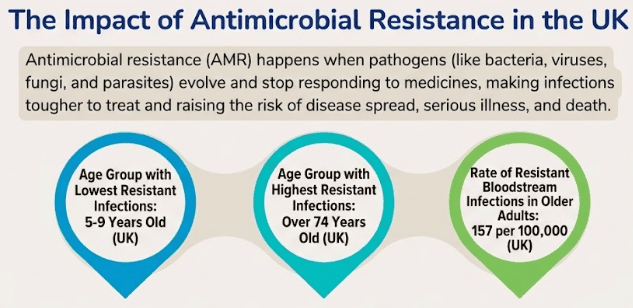
Anyone can develop an infection caused by a resistant microorganism. Being young, active and generally healthy does not make someone immune to AMR. That is particularly relevant for people aged 21-29, who may otherwise see antimicrobial resistance as an issue concerning hospitals or older patients. A young adult could encounter a resistant organism through a urinary tract infection, sexually transmitted infection, travel-related illness, wound infection or another bacterial infection.
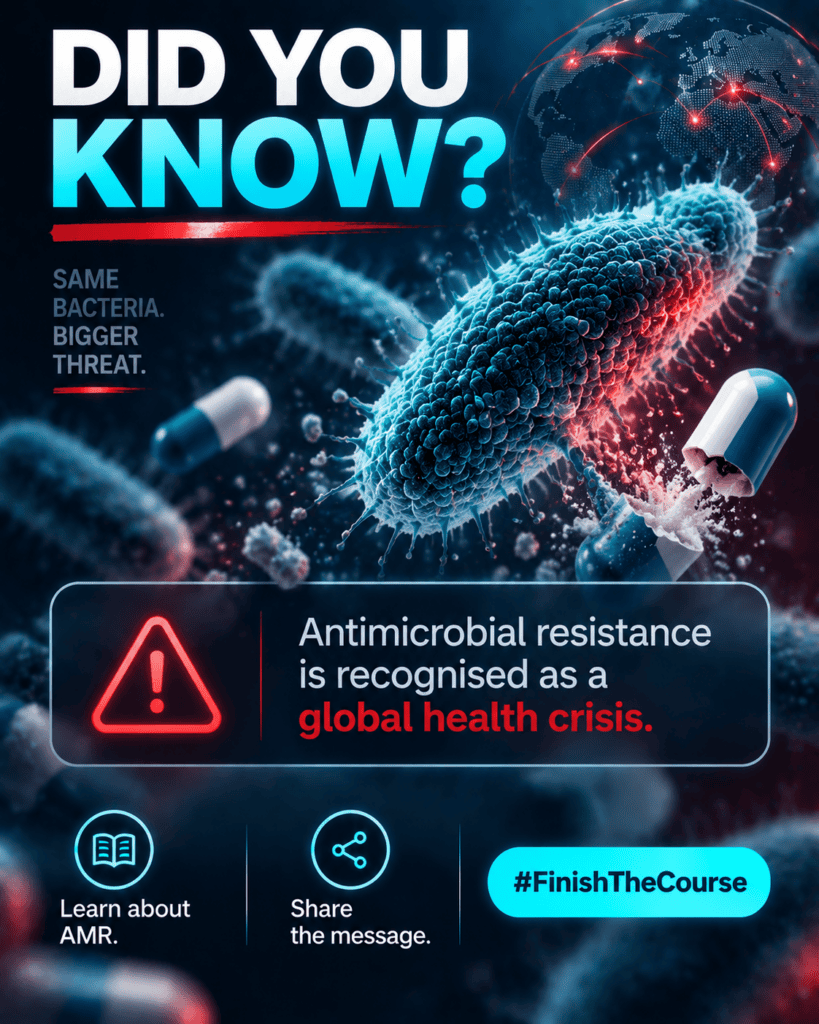
How Does Antimicrobial Resistance Happen?
Resistance is part of microbial evolution, so it cannot realistically be reduced to zero. The problem is that several human activities can accelerate the selection and spread of resistant microorganisms.
One important driver is unnecessary or inappropriate antimicrobial use.
For example, antibiotics work against bacteria. They do not treat ordinary viral infections such as most colds and flu. Using an antibiotic when it is not clinically required exposes bacteria to the medicine without giving the patient an appropriate benefit.
How Does AMR Affect the Body and Human Health?
AMR does not attack the body as a separate disease.
Instead, it can change what happens when someone develops an infection.
Suppose a person has a bacterial urinary tract infection. If the bacteria are susceptible to the first-choice antibiotic, treatment may be straightforward.
If those bacteria are resistant, that first medicine may fail.
The infection could continue, symptoms may last longer, and clinicians may need laboratory tests or a different antibiotic. In more serious cases, an infection can spread beyond its original site or require hospital care and intravenous treatment.
Resistant Infections Can Mean:
- Fewer effective treatment choices
- Delays before an effective medicine is identified
- Longer periods of illness
- A greater chance of complications
- Longer hospital stays in serious cases
- Use of alternative medicines that may have more side effects
- Increased healthcare costs
- Greater risk of transmission to other people
Globally, AMR is already associated with a substantial burden of disease. A 2024 analysis published in The Lancet estimated that approximately 1.14 million deaths in 2021 were directly attributable to bacterial antimicrobial resistance, which was associated with 4.71 million deaths overall.
AMR Also Affects Modern Medicine
The importance of effective antimicrobials extends beyond treating everyday infections.
Modern healthcare often relies on the ability to prevent or control infections. That includes care surrounding:
- Major surgery
- Cancer chemotherapy
- Organ transplantation
- Intensive care
- Some premature-baby and neonatal care
- Procedures involving medical devices
- Treatment for people with weakened immune systems
If infections become more difficult to treat, these interventions can carry greater risk.
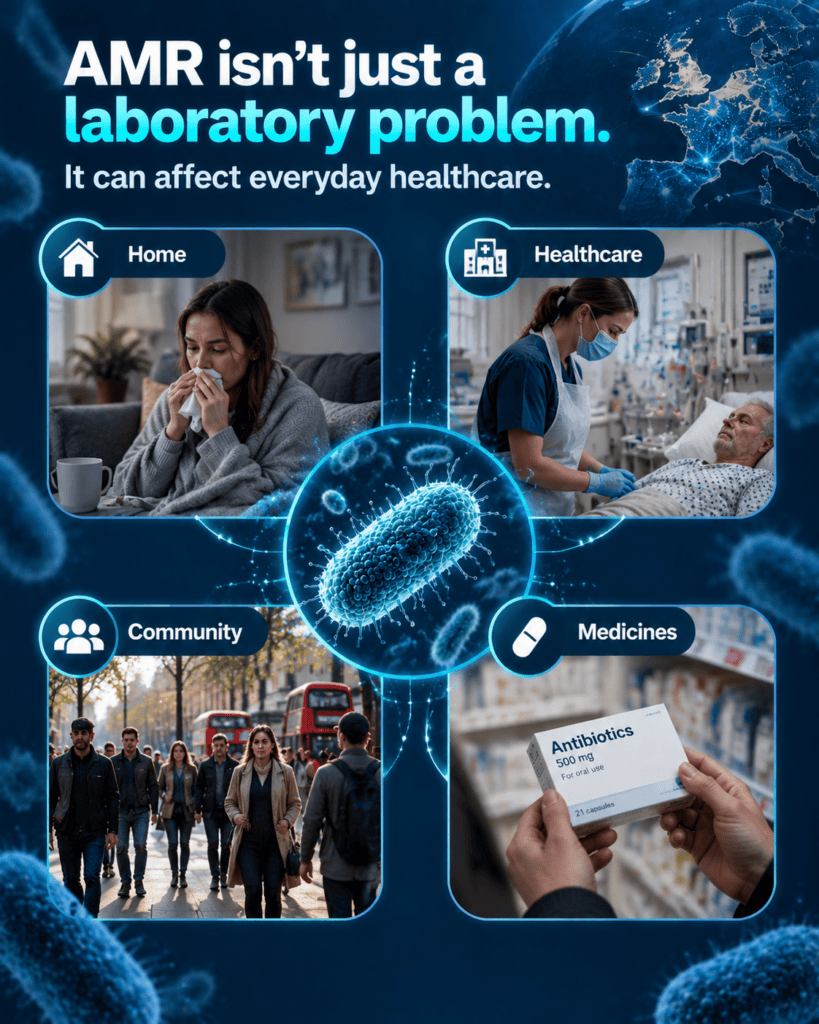
Some People Face a Greater Risk of Serious Consequences
Risk is not identical for everyone. People who may be especially vulnerable include those who:
- Have weakened immune systems
- Receive chemotherapy or other immunosuppressive treatments
- Have recently been admitted to hospital
- Need repeated or prolonged antimicrobial treatment
- Have invasive devices such as certain catheters
- Have undergone major surgery
- Live with conditions increasing vulnerability to infection
- Are very young or older
- Receive care in settings where resistant organisms can spread
Why Should You Care About AMR If You Rarely Take Antibiotics?
Because antimicrobial resistance is a population-level problem as well as an individual one.
Resistant microorganisms can spread.
That means your own antibiotic history is only one part of the picture. Someone who has rarely taken antibiotics can still acquire a resistant bacterial infection.
Equally, responsible medicine use is not just about protecting one person today. It can help preserve treatment effectiveness for other people and for the future.
This is what makes AMR unusual: individual behaviour and population health are connected.
What Can You Do to Help Slow AMR?
You do not need specialist medical knowledge to contribute.
1. Use Antibiotics Only When They Are Prescribed for You
Do not pressure a healthcare professional for antibiotics if they explain that they are unlikely to help. For example, antibiotics do not treat viruses responsible for most colds.
2. Take Antibiotics Exactly as Directed
Follow the prescribed dose, timing and duration.
Do not change or stop your medicine based on information from social media or another person’s prescription. If you experience side effects, are unsure how long to take your medicine or think your treatment is not working, contact the relevant healthcare professional.
3. Never Share Antibiotics
A medicine prescribed for one person and one infection may be unsuitable for somebody else.
4. Do Not Save Leftovers for Another Illness
Ask your pharmacist how unwanted medicines should be returned or disposed of safely.
5. Prevent Infections in the First Place
Good infection prevention reduces the number of infections that need treatment.
Useful measures include:
- Regular hand hygiene
- Recommended vaccination
- Safer sex
- Appropriate food hygiene
- Following infection-control advice in healthcare settings
- Staying home or taking precautions when advised for infectious illnesses
Preventing an infection can also prevent the need for an antimicrobial.
What Should Healthcare Professionals Do About AMR?
For healthcare professionals, AMR is closely linked to antimicrobial stewardship: using antimicrobials in a way that achieves the best clinical outcome while minimising avoidable harm and unnecessary selection pressure.
Depending on professional role and setting, this can include:
- Following evidence-based prescribing guidance
- Using appropriate diagnostic tests
- Reviewing antimicrobial therapy when results become available
- Choosing the appropriate medicine, dose, route and duration
- Supporting infection prevention and control
- Communicating clearly with patients about why an antimicrobial is—or is not—needed
- Explaining what patients should do if symptoms worsen
- Reporting or monitoring resistance according to local systems
Communication deserves particular attention.
A patient who leaves an appointment simply thinking, “They refused to give me antibiotics,” may feel dismissed.
A patient who understands, “An antibiotic will not treat this type of infection, and unnecessary use can cause harm and contribute to resistance,” leaves with a clearer rationale.
That difference matters for both patient trust and stewardship.
When Should You Seek Medical Advice?
AMR awareness should not lead people to self-diagnose resistance or avoid necessary treatment.
Seek appropriate medical advice if you are worried about an infection, particularly if symptoms are severe, worsening, recurring or not improving as expected.
Urgent symptoms—such as severe breathing difficulty, confusion or signs of a serious systemic illness—require prompt medical assessment according to local emergency guidance.
If you have been prescribed an antimicrobial and are worried that it is not working, do not simply switch, borrow or alter medicines yourself. Contact your healthcare professional.
Frequently Asked Questions
Does your body become resistant to antibiotics?
No. Your body does not become resistant to antibiotics. Bacteria can become resistant to antibiotics. This can make a bacterial infection more difficult to treat.
What are the symptoms of antimicrobial resistance?
AMR itself does not have unique symptoms. The symptoms come from the infection. Resistance may become apparent when standard treatment fails or laboratory testing identifies a resistant microorganism.
Can antimicrobial resistance spread from person to person?
Resistant microorganisms can spread between people in healthcare settings and communities. Resistance can also circulate through animals, food and the environment, depending on the organism.
Should I always finish every antibiotic course?
Follow the specific instructions given by the healthcare professional who prescribed your antibiotic. Take the prescribed dose and duration, and do not stop, extend or change treatment without appropriate clinical advice.
Sources and Further Reading
- World Health Organization: Antimicrobial resistance fact sheet
- UK Health Security Agency: ESPAUR surveillance collection
- NHS: Antibiotics guidance
- The Lancet: Global burden of bacterial antimicrobial resistance, 1990–2021
- CDC: Antimicrobial Resistance resources
Know when antibiotics help. Take prescribed antimicrobials exactly as directed. Never share leftover medicines. Share accurate AMR information—not antibiotic myths.
Leave a Reply